
A Revolutionary Educational Approach
Teacher-filmmaker Scott Danville and his uniquely talented students Alexandre Faruqi, Joseph Judge, Kevin Ko, Everett Sapp, Alec Seymour, Ethan Magram, Tyler Pepper, and Makayla Provost, created this groundbreaking documentary by conducting professional interviews with climate leaders like Bill McKibben and Frederic Rich. The result proves young people can engage with complex global challenges through rigorous journalism and scientific literacy.
The Student Journalists
Nine high school students conducted professional-level interviews with climate leaders, requiring mastery of complex scientific and economic concepts. The project demonstrates that democratic participation requires citizens capable of evaluating evidence and engaging with expertise across disciplines.
Educational Innovation
Rather than simplifying science for students, this project challenged them to achieve professional-level scientific literacy. With atmospheric CO2 reaching 422.8 ppm in 2024, the highest in human history, democracy requires citizens capable of evaluating complex evidence.
Expert Interviews
Students conducted in-depth professional interviews with leading voices across climate science, activism, policy, and economics, addressing the urgency of climate action as global warming reached 1.1°C above pre-industrial levels.
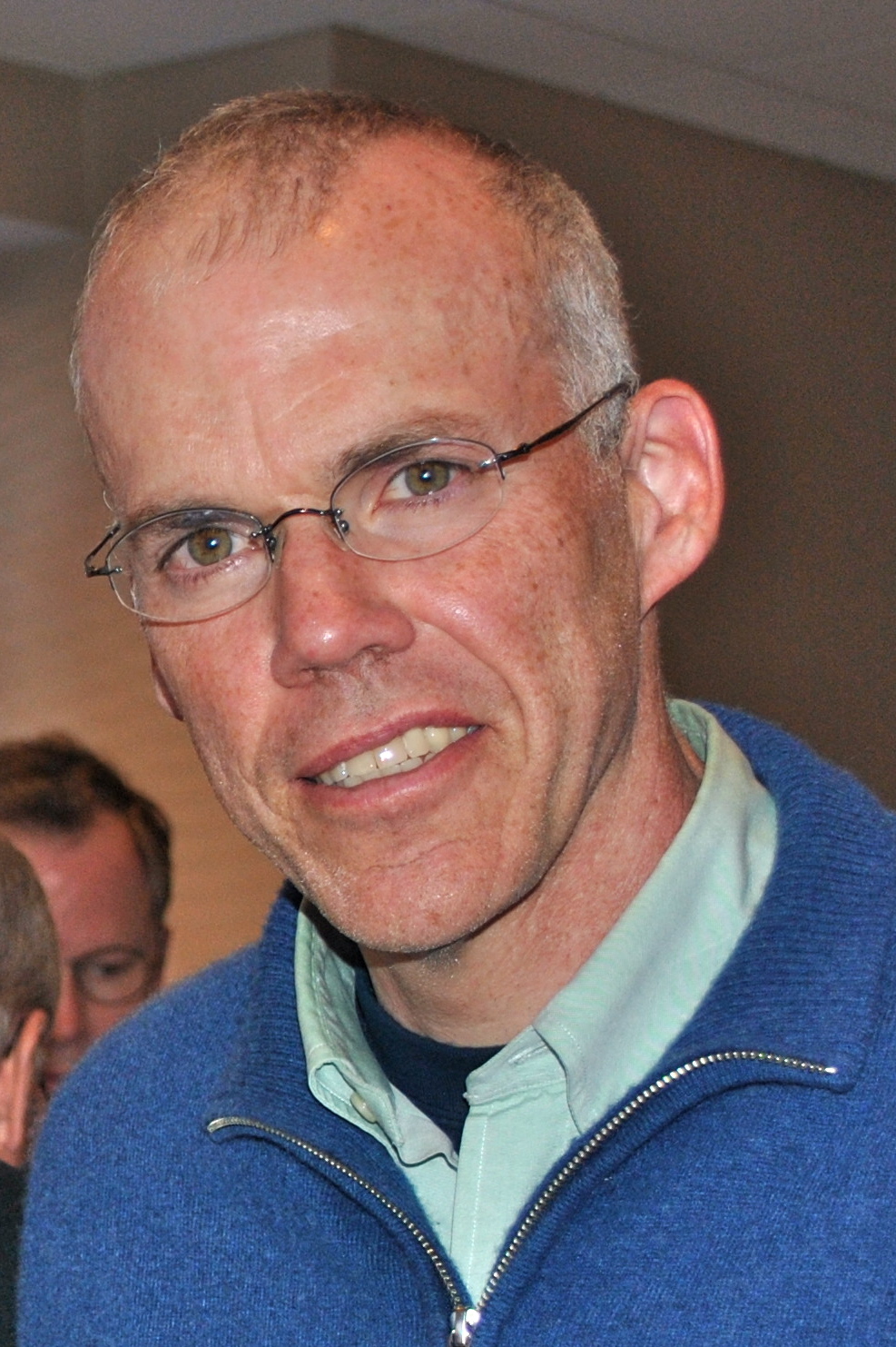
Bill McKibben
Founder, 350.org • Climate Movement Leader
Right Livelihood Prize Winner
Schumann Distinguished Scholar, Middlebury College
McKibben wrote the first book for a general audience about climate change and founded 350.org, which has organized protests on every continent including Antarctica. His work has mobilized fossil fuel divestment campaigns that have withdrawn over $15 trillion from fossil fuel investments. Named one of the world’s 100 most important global thinkers by Foreign Policy magazine.

Frederic Rich
Author, “Getting to Green” • Conservative Climate Strategist
Chairman, Scenic Hudson Land Trust
Vice Chairman, National Land Trust Alliance
Rich was recognized as “the preeminent project finance lawyer in the world” by International Financial Law Review before turning to environmental advocacy. His book “Getting to Green” presents bipartisan solutions to climate action, arguing that conservatives must reconnect with their conservation roots while environmentalists embrace pragmatic, market-based solutions.
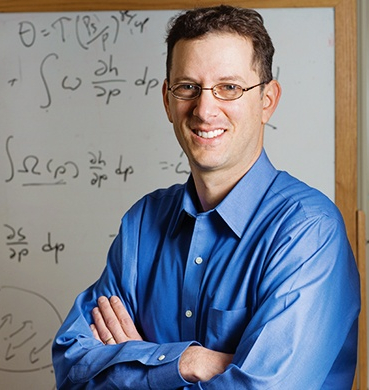
Adam Sobel
Columbia University • Atmospheric Physics & Hurricane Dynamics
Author of “Storm Surge: Hurricane Sandy and the Future”
American Geophysical Union Awardee
Sobel directs Columbia’s Initiative on Extreme Weather and Climate, focusing on tropical meteorology and extreme weather attribution. His research, cited over 10,000 times, has been instrumental in understanding how climate change intensifies hurricanes. He testified before Congress emphasizing that scientific uncertainty is not a reason to delay climate action.

Eric Leibensperger
Harvard University • Atmospheric Physics & Air Quality
Aerosol Science Researcher
Harvard PhD in Atmospheric Chemistry & Physics
Leibensperger’s research demonstrates how environmental problems intersect—showing that air pollution regulations have unintended climate consequences. His work bridges local environmental health concerns with global climate policy, revealing the complexity of environmental solutions and the need for integrated approaches to air quality and climate change.
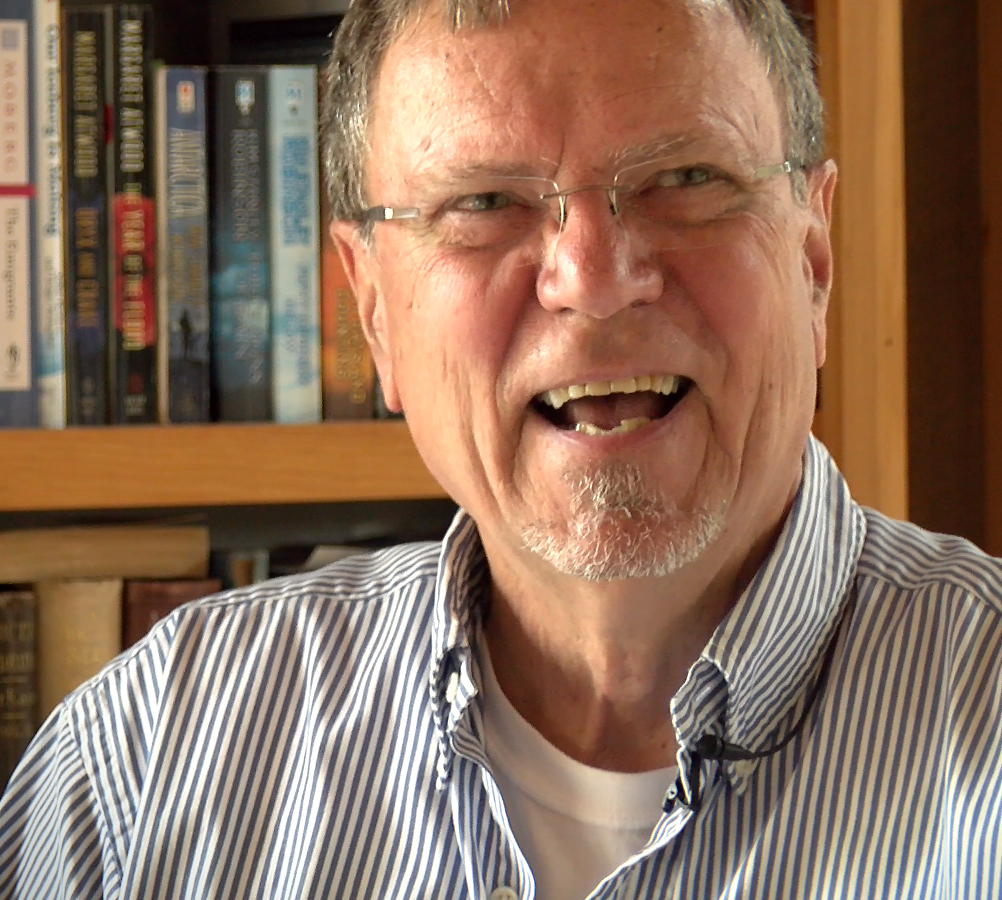
Dr. Raymond N. Johnson
Climate Science Educator & Research Chemist
30+ Years R&D Experience
Organic/Analytical Chemist
Press-Republican Science Columnist
Dr. Johnson brings over 30 years of research and development experience as an organic/analytical chemist to climate science education. His work focuses on translating complex climate science into accessible public understanding. As a monthly science columnist and educational speaker, he bridges abstract climate models with observable reality for North Country communities.
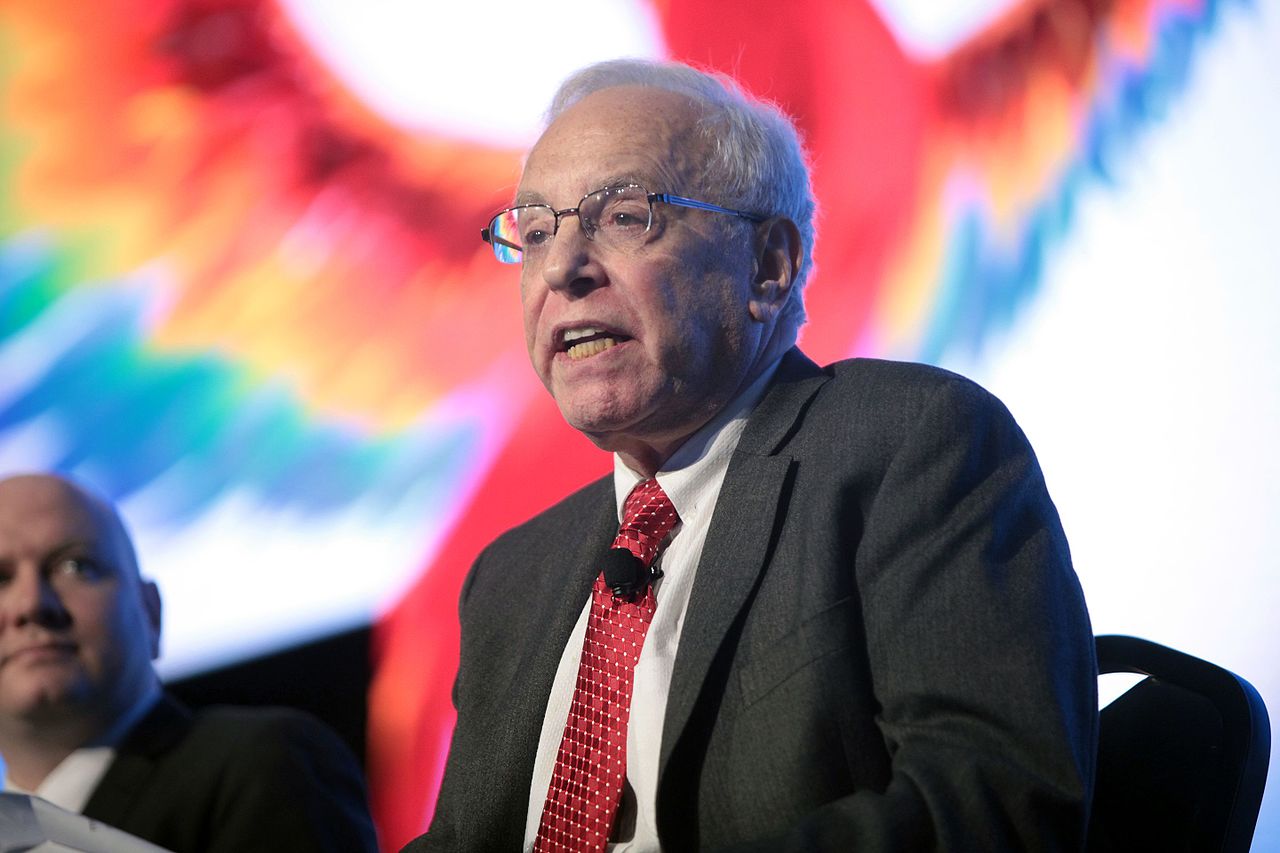
Gene Epstein
Former Barron’s Economics Editor • Austrian School Economist
Founder, Soho Forum Debate Series
Ludwig von Mises Institute Associate
Epstein represents the Austrian School economic perspective, arguing that free markets and technological innovation can address climate challenges more efficiently than government mandates. His presence in the film forces climate advocates to address legitimate concerns about energy poverty, economic development, and the unintended consequences of climate policies.
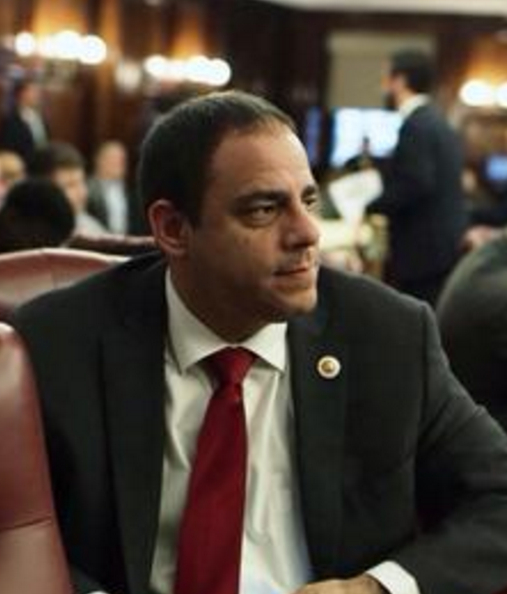
Costa Constantinides
Former NYC Council Environmental Committee Chair
Most Ambitious Municipal Climate Legislation in US History
Local Climate Policy Innovation Leader
Constantinides led passage of New York City’s Climate Mobilization Act, the most ambitious municipal climate legislation in U.S. history, requiring major buildings to cut emissions 40% by 2030. His work demonstrates that ambitious climate action is politically feasible at the city level, showing how local environmental policies can achieve measurable emissions reductions.
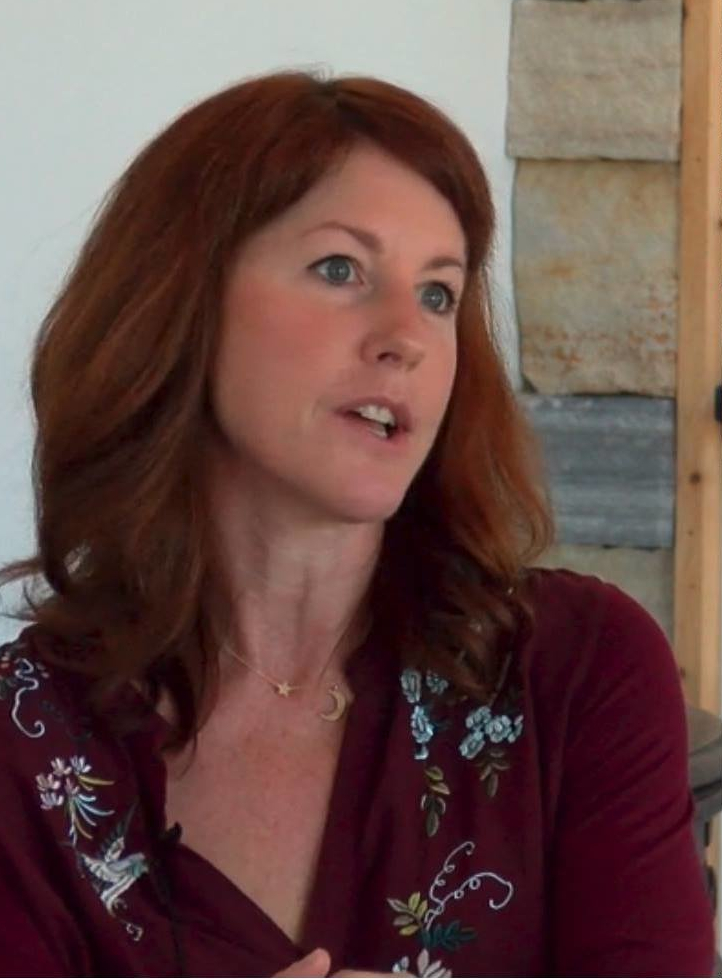
Stefanie Conroy Wallach
Environmental Advocate & Community Organizer
Grassroots Climate Action Organizer
Community-Based Environmental Justice
Wallach represents local environmental advocacy in New York’s North Country, demonstrating how effective climate action must be grounded in community values, local knowledge, and environmental justice principles. Her work shows how rural communities can lead on climate solutions while addressing local economic and social concerns.
The Four Pillars of Climate Education
Scientific Literacy as Democratic Necessity
Students master atmospheric physics and attribution science to interview experts intelligently about record CO2 increases of 3.75 ppm in 2024, the largest annual increase since measurements began.
Political Realism About Climate Action
Exploring McKibben’s grassroots movement strategy and Rich’s institutional approach, recognizing that developing countries need $127 billion annually by 2030 for climate adaptation alone.
Economic Justice as Climate Imperative
Addressing energy poverty while transitioning to clean energy, understanding that climate solutions must be economically viable and socially just to achieve necessary scale and speed.
Local Action as Global Solution
Wallach’s North Country perspective and Constantinides’ NYC legislation demonstrate how climate action must be grounded in community values while contributing to global emission reduction goals.
Watch the Film
See how students can tackle the world’s most complex challenges through rigorous journalism and democratic engagement. As the IPCC warns that the window to address climate change is rapidly closing, this film shows young people leading by example.