
Politics & Economics of Climate Action
Students in “Halting Hades” explore the complex intersection of climate science, political strategy, and economic policy through interviews with leading voices across the political spectrum. Understanding how to build political coalitions and design economically viable climate solutions is essential for democratic engagement with our greatest collective challenge.
Bipartisan Climate Strategy
Frederic Rich demonstrates how conservative values—stewardship, fiscal responsibility, and market solutions—can support environmental action. His “Center Green” approach shows students that effective climate policy requires building bridges across political divides rather than deepening ideological entrenchment.
Movement Building & Political Power
Bill McKibben’s organizing strategy through 350.org shows how grassroots movements can challenge entrenched fossil fuel interests. The fossil fuel divestment campaign has reached over $15 trillion in commitments, demonstrating that political mobilization can create economic pressure for climate action.
Economic Realities of Climate Policy
Based on the latest World Bank data and economic analysis, students engage with real-world climate finance mechanisms and policy implementation challenges.
Global Carbon Pricing Economics (2024)
Carbon Pricing Revenue
Global Coverage
Active Instruments
Revenue Allocation (2024)
Political Strategies Across the Spectrum
The film demonstrates how climate action requires engaging with diverse political philosophies and economic perspectives to build sufficient coalitions for policy change.

Frederic Rich
Conservative Climate Strategist • Author of “Getting to Green”
Author of “Getting to Green”
Chairman, Scenic Hudson Land Trust
Rich argues that environmental progress requires ending the “Great Estrangement” between conservatives and environmentalists that began in the 1990s. His book “Getting to Green” presents a bipartisan solution strategy: appeal to traditional conservative values of stewardship, fiscal responsibility, and market solutions. Uses land trust movement as successful bipartisan model, showing how environmental protection can align with property rights and local control.
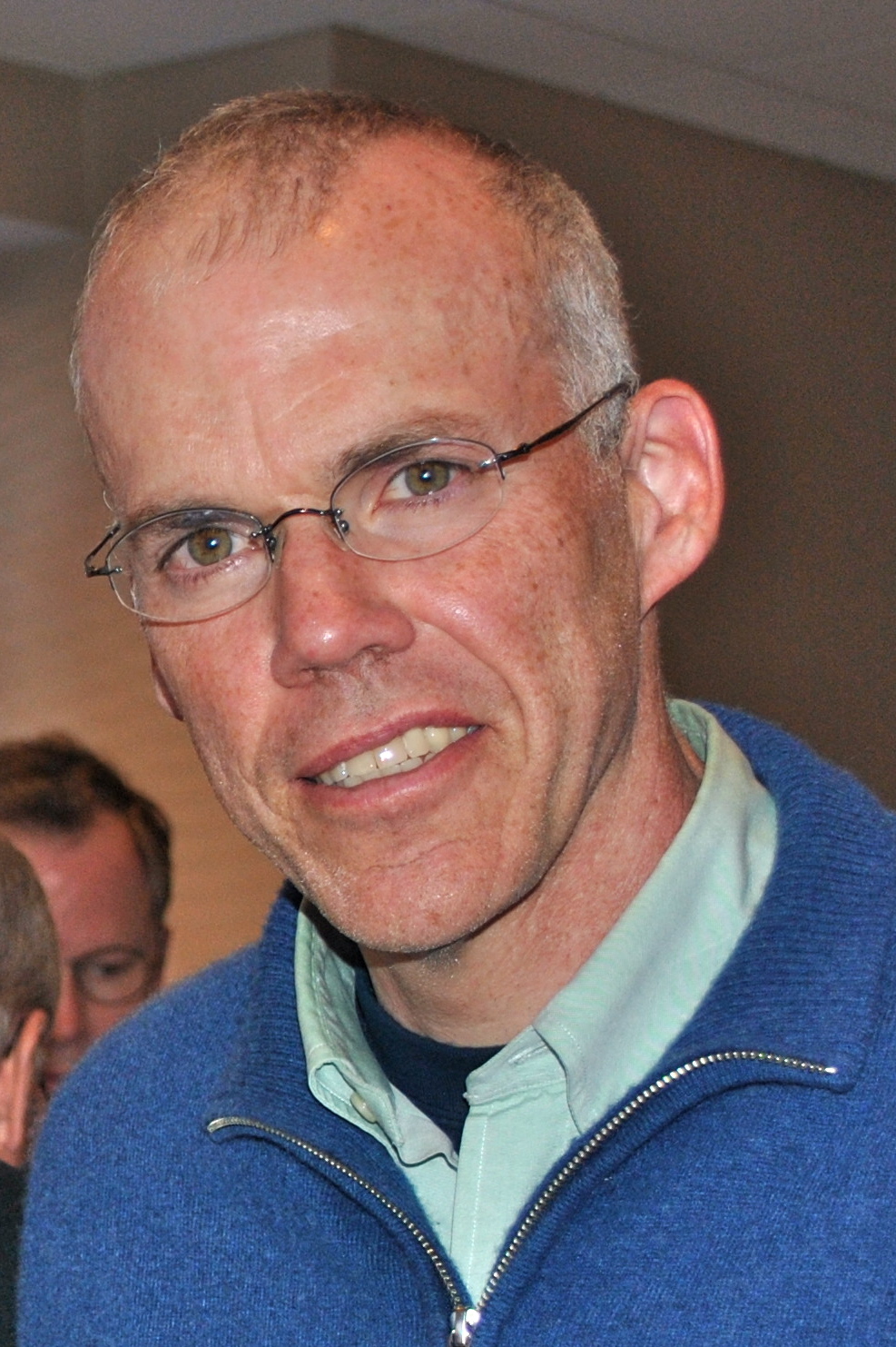
Bill McKibben
Movement Architect • Political Mobilization Expert
Fossil fuel divestment: $15+ trillion committed
Pioneer of “Do the Math” carbon bubble campaign
McKibben’s evolution from writer to activist reflects the climate movement’s strategic shift from “educate about science” to “build political power.” His 350.org demonstrates how mass mobilization can challenge fossil fuel industry influence. The divestment campaign creates economic pressure by highlighting the “carbon bubble”—fossil fuel companies hold 5x more reserves than science says is safe to burn.

Gene Epstein
Austrian School Economist • Market Solutions Advocate
Ludwig von Mises Institute Associate
Soho Forum Debate Series Founder
Epstein represents libertarian perspective that free markets develop clean energy more efficiently than government mandates. His arguments center on energy poverty affecting more people currently than climate change, and that wealth creation enables better adaptation to environmental challenges. Forces climate advocates to address economic development concerns and demonstrate that clean energy transition improves opportunities for disadvantaged populations.

Costa Constantinides
Policy Implementation Expert • Local Climate Governance
Most ambitious U.S. municipal climate legislation
40% building emissions reduction by 2030
Constantinides demonstrates that ambitious climate policy is politically feasible at local level even when federal action stalls. His NYC legislation shows how abstract environmental goals translate into specific laws with measurable results. Uses behavioral economics (plastic bag fees) and building regulations to achieve significant emissions reductions through policy design rather than just technological solutions.
Economic Models for Climate Action
Students analyze real-world examples of climate finance mechanisms, carbon pricing systems, and economic policy tools being implemented globally.
Carbon Pricing Mechanisms
Current Status: 80 carbon pricing instruments globally generate $104 billion annually. EU ETS provides 41% of global carbon revenue, followed by Germany’s national ETS (14%) and Canada’s federal carbon tax (9%). Less than 1% of emissions are priced at levels needed for 2°C pathways.
Climate Finance Gap
Investment Needs: Developing countries require $127 billion annually by 2030 just for climate adaptation. Current adaptation funding reaches only $23-46 billion yearly. Carbon pricing revenue increasingly fills this gap, with 56% earmarked for environmental projects in 2024.
Just Transition Economics
Social Equity: 25% of carbon pricing revenue supports social and economic programs. Canada’s model returns all carbon tax revenue to citizens through rebates. Germany’s Climate and Transformation Fund combines carbon revenue with social protection and clean energy investment.
Local Policy Innovation
Municipal Leadership: NYC’s Climate Mobilization Act requires 40% emissions cuts from buildings by 2030. Local policies like plastic bag fees demonstrate how behavioral economics can achieve environmental goals while generating revenue for green infrastructure.
The Political Economy of Climate Action
Students explore how political strategy and economic policy must align to create effective climate solutions that are both environmentally adequate and politically sustainable.
Building Political Coalitions
Rich’s “Getting to Green” strategy and McKibben’s movement building represent complementary approaches: working within existing institutions while building outside pressure. Both recognize that climate action requires broader coalitions than traditional environmentalism, incorporating business, labor, and diverse political constituencies.
Addressing Economic Concerns
Epstein’s libertarian critique forces acknowledgment that climate policy must demonstrate economic benefits, not just environmental necessity. Successful policies like carbon fee-and-dividend show how climate action can provide direct economic benefits to households while reducing emissions.
Key Economic Insights for Students
Market Mechanisms Work
Carbon pricing covers 28% of global emissions and generates over $100 billion annually, proving that market-based solutions can scale rapidly when properly designed.
Revenue Design Matters
How carbon revenue is used determines political sustainability. Returning money to citizens (Canada) or funding green investment (Germany) builds public support.
Local Action Scales Up
Municipal policies like NYC’s Climate Mobilization Act prove that ambitious climate action is politically feasible when connected to local economic benefits.
Economic Justice Essential
Climate policies must address energy poverty and provide economic opportunities for disadvantaged communities to build lasting political coalitions.
Political Economy in Action
See how students engage with the complex intersection of climate science, political strategy, and economic policy through interviews with experts across the political spectrum.
Policy Resources
Access the same data sources students used: World Bank Carbon Pricing Dashboard, OECD climate finance data, and municipal climate policy databases for real-world examples of climate economics in action.